
Hydration Matters
Why Drinking Enough Water Can Transform Your Health
Most people know they “should drink more water.”
But few realise just how many everyday symptoms are linked to poor hydration, even in people who think they’re drinking enough.
At Healing Hands Natural Health Centre, we regularly see clients with fatigue, headaches, brain fog, constipation, reflux, cravings, anxiety, and poor skin and hydration is often a missing piece of the puzzle.
This blog explains why hydration matters, how dehydration shows up in the body, and how to hydrate properly (without guesswork or myths).
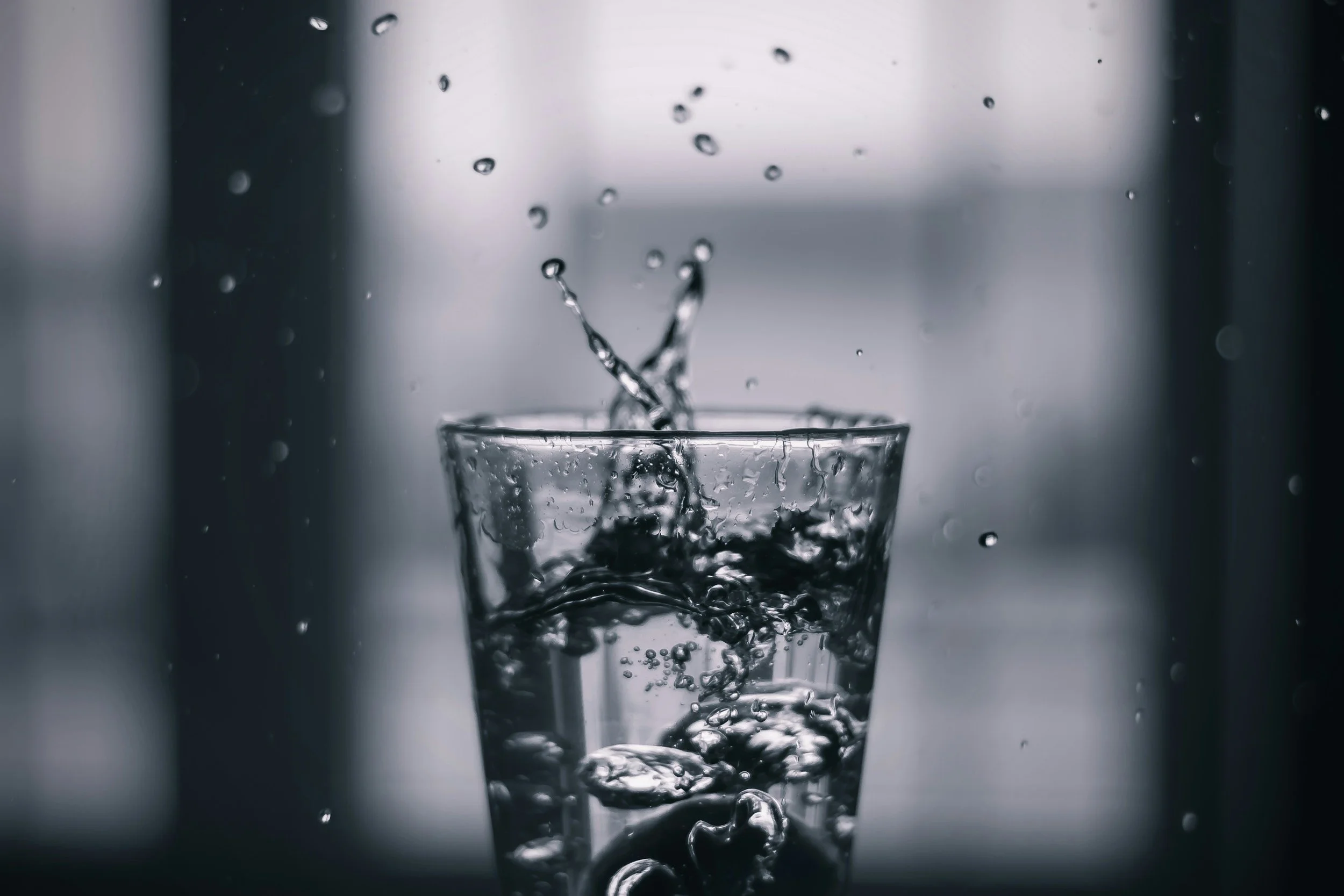
Hydration Is About More Than Thirst
Hydration isn’t just about avoiding extreme dehydration. Many people experience functional dehydration, where they drink fluids, but their cells still aren’t well hydrated.
Your body uses water for:
Energy production including in your brain
Digestion and gut motility
Detoxification (liver and kidneys)
Hormone signalling
Blood volume and circulation
Skin health
Nervous system regulation
Even mild dehydration can interfere with these processes, often without obvious thirst.
Common Symptoms Linked to Poor Hydration
Here are some of the most common signs we see in clinic:
Fatigue and Low Energy
Water is essential for cellular energy production. When hydration is low, circulation and oxygen delivery slow down — leaving you feeling flat, heavy, or exhausted.
Headaches
Dehydration can reduce blood volume and increase pressure sensitivity in the brain, making headaches more likely — especially in the afternoon.
Constipation
Your bowel relies on adequate fluid to move waste through the gut. Low hydration is one of the most overlooked causes of constipation and sluggish digestion.
Reflux and Indigestion
Reflux is not just linked to high stomach acid, but can be linked to low stomach acid. Dehydration reduces stomach acid production, impairing digestion and increasing reflux symptoms.
Food Cravings
Mild dehydration is commonly mistaken for hunger. Many people crave sugar or salty foods when what their body is actually asking for is fluid.
Anxiety and Feeling “On Edge”
Hydration affects blood pressure, cortisol regulation, and nervous system signalling. Low hydration can contribute to dizziness, palpitations, anxiety, and that “wired but tired” feeling.
Poor Skin
Dry, dull, or irritated skin is often an internal hydration issue — not just a skincare one.
Why Drinking Water Alone Isn’t Always Enough
One of the biggest misconceptions is that hydration is simply about volume.
Hydration depends on:
Fluid intake
Electrolyte balance
Protein intake
Gut absorption
Hormonal and nervous system health
If hydration still feels poor despite drinking water, it’s often because the body isn’t absorbing or distributing that fluid effectively.
This is why we always assess hydration individually, not based on generic rules.
Hydration Myths (And What Actually Helps)
“You need electrolytes in your water”
If you’re eating a whole-food, mineral-rich diet, additional electrolytes usually aren’t needed. They may be useful only when clinically appropriate (e.g. heavy sweating, illness, adrenal stress).
“Eight glasses a day is enough”
Hydration needs vary widely based on body size, activity, diet, protein intake, and health status. There is no one-size-fits-all amount.
“Sparkling water doesn’t count”
Sparkling mineral water is fine and can contribute to hydration. Just be mindful of reflux symptoms and avoid flavoured/sugary versions.
Avoid plastic-bottled water
Plastic bottles can leach endocrine-disrupting chemicals into water. We recommend filtered tap water or glass-bottled mineral water whenever possible.
Signs You’re Not Well Hydrated (Even If You Drink Water)
Dry mouth or lips
Afternoon energy crashes
Dark or infrequent urine
Constipation or slow guts
Headaches
Brain fog
Dizziness when standing
Strong cravings
Dull skin texture or breakouts
Practical Hydration Tips
Aim for 35mL for every kg of body weight (capped at 4L. Please note: This needs to be modified if you have kidney or heart problems or if you are taking any medication!).
Drinking a glass of water on waking
Choosing warm or room-temperature fluids
Including soups, broths, and stews
Spacing fluids evenly throughout the day
Avoiding large amounts late at night (to protect sleep)
Pairing hydration with meals, not chugging
Hydration Is Personal
At Healing Hands, we don’t guess hydration needs. We assess them alongside:
Diet quality
Protein intake
Gut health
Nervous system balance
Metabolic health
Hydration is foundational, but it only works when it’s tailored to your body.
Ready to Support Your Body Properly?
If you’re dealing with fatigue, digestive issues, cravings, anxiety, or poor skin, hydration may be part of the answer.
📞 Book a discovery call and let’s look at the full picture together.